
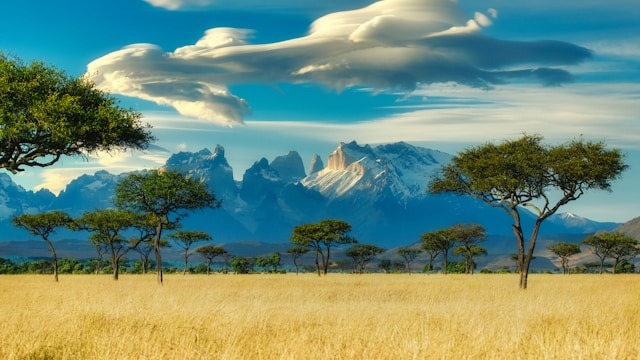
Was ist bei einer Reise nach Afrika zu beachten?
Afrikanische Reiseländer bieten eine große Bandbreite an Natur- und Kulturerlebnissen – von Nationalparks mit Wildtieren über Wüsten- und Savannenlandschaften bis hin zu tropischen Küstenregionen. Gerade diese Vielfalt macht den Kontinent für viele Reisende besonders spannend. Je nach Reiseziel können sich jedoch Rahmenbedingungen wie Infrastruktur, Klima und Einreisebedingungen unterscheiden. Eine vorausschauende Reiseplanung ist daher eine wichtige Voraussetzung für einen sicheren und gut organisierten Aufenthalt
Kurzfassung
|
Einreisebestimmungen und Reisedokumente
Die Einreisevorschriften variieren je nach Zielland erheblich. In vielen Staaten ist ein Visum erforderlich, das entweder vorab bei einer Botschaft, elektronisch oder bei Ankunft beantragt werden muss. Vorausgesetzt wird in der Regel ein Reisepass, der zum Zeitpunkt der Einreise noch sechs Monate gültig ist und über eine ausreichende Anzahl freier Seiten verfügt.
Ein Impfnachweis ist heute nur noch in wenigen Fällen erforderlich, etwa bei der Einreise aus Gelbfiebergebieten oder nach einem dortigen Transit. Da die Vorgaben je nach Reiseland und Reiseroute sehr unterschiedlich sein können, ist eine reisemedizinische Beratung besonders wichtig. So lässt sich verlässlich einschätzen, welche Impfungen im Einzelfall erforderlich sind. Bei Rundreisen durch mehrere Staaten sind die jeweiligen Bestimmungen gesondert zu prüfen, da Nachbarländer unterschiedliche Einreise- und Gesundheitsvorgaben haben können.
Eine systematische Vorbereitung erleichtert die Koordination komplexer Reiserouten. Vor allem bei selbst geplanten Reisen oder der Kombination mehrerer Länder lohnt sich ein frühzeitiger Überblick über alle formalen Anforderungen. Detaillierte Informationen zu Einreisebestimmungen, gesundheitlichen Anforderungen und regionalen Besonderheiten können über spezialisierte Informationsseiten oder einen Reiseplaner abgerufen werden, in denen relevante Aspekte strukturiert zusammengefasst sind.
Gesundheitliche Vorbereitung
Reisemedizinische Beratung sollte mehrere Wochen vor Abreise erfolgen. Weitere zentrale Aspekte:
- Abschluss einer Auslandskrankenversicherung mit Rücktransportoption
- Mitführung persönlicher Medikamente in ausreichender Menge
- Schutz vor Insektenstichen durch geeignete Kleidung und Repellents
- Beachtung grundlegender Hygiene bei Trinkwasser und Lebensmitteln
Für Familien oder Reisende mit Vorerkrankungen ist eine zusätzliche Abstimmung mit Haus- oder Kinderarzt besonders sinnvoll, vor allem bei Reisen in Regionen mit eingeschränkter medizinischer Infrastruktur.
Sicherheit und Reisevorbereitung
Die Sicherheitslage innerhalb des afrikanischen Kontinents ist differenziert zu betrachten und variiert je nach Staat und Region teils erheblich. Viele Reiseziele sind touristisch gut erschlossen und verfügen über organisierte Reiserouten, buchbare Transfers, erfahrene Guides und Unterkünfte, die auf internationale Gäste eingestellt sind. Je nach Region können politische Entwicklungen oder sicherheitsrelevante Besonderheiten Einfluss auf die Reiseplanung haben und sollten daher im Vorfeld berücksichtigt werden.
Vor der Reise sollten die aktuellen Reise- und Sicherheitshinweise des Auswärtigen Amtes sowie gegebenenfalls Mitteilungen der jeweiligen Botschaften oder Konsulate des Ziellandes konsultiert werden. Empfehlenswert ist außerdem, Transfers und Unterkünfte über verlässliche Anbieter zu organisieren und regionale Hinweise in die Planung einzubeziehen, etwa zu Fahrzeiten, Verkehrsbedingungen und logistischen Besonderheiten vor Ort.
In Nationalparks gelten gesonderte Sicherheitsregeln. Das Verlassen von Fahrzeugen außerhalb ausgewiesener Bereiche sowie das eigenständige Bewegen in Wildtiergebieten ist strengstens untersagt, da diese Regelungen dem Schutz vor Wildtieren dienen.
Klima, Reisezeit und regionale Besonderheiten
Afrika umfasst unterschiedliche Klimazonen, von mediterranen Regionen im Süden über Wüstengebiete bis hin zu tropischen Zonen. Die Wahl der Reisezeit beeinflusst sowohl das Naturerlebnis als auch logistische Abläufe.
Trockenzeiten gelten in vielen Safari-Destinationen als besonders geeignet für Tierbeobachtungen, da sich Wildtiere an Wasserstellen konzentrieren. Regenzeiten können hingegen zu einer dichteren Vegetation führen, zugleich jedoch die Straßenverhältnisse beeinträchtigen und dadurch längere Reisezeiten verursachen.
Für Familien, ältere Reisende oder Personen mit Kreislaufproblemen kann es sinnvoll sein, Reisezeiten mit extremer Hitze zu vermeiden. Bei Trekking- oder Bergtouren sollten saisonale Bedingungen frühzeitig geprüft werden, da Temperaturen, Sichtverhältnisse oder Begehbarkeit je nach Höhe und Jahreszeit stark schwanken können. Wer als anspruchsvoller Reisender besonderen Wert auf Ruhe legt, kann außerhalb der Hauptsaison häufig von einer entspannteren Atmosphäre profitieren.
Infrastruktur und Transport
Die infrastrukturellen Bedingungen unterscheiden sich stark zwischen urbanen Zentren und ländlichen Regionen. Entfernungen erscheinen auf Karten oft geringer, als sie unter realen Straßenverhältnissen sind. Unbefestigte Straßen, saisonale Überschwemmungen oder eingeschränkte Verkehrsnetze können Reisezeiten erheblich verlängern.
In Safari-Gebieten sind geländegängige Fahrzeuge üblich, häufig mit lokalem Fahrer oder Guide. Inlandsflüge bieten eine zeitsparende Alternative bei größeren Distanzen, erfordern jedoch eine sorgfältige Abstimmung von Anschlussverbindungen. Gerade bei kombinierten Reiserouten ist es sinnvoll, Zeitpuffer einzuplanen, da sich Fahrten oder Inlandsverbindungen wetter- oder organisationsbedingt verschieben können.
Selbstfahrer sollten sich vorab über geltende Verkehrsregeln, mögliche Mautgebühren und Versicherungsbedingungen sowie darüber informieren, ob im jeweiligen Zielland Linksverkehr gilt.
Kulturelle Rahmenbedingungen
Afrikanische Gesellschaften sind kulturell, religiös und sprachlich vielfältig. Ein respektvoller Umgang mit lokalen Gepflogenheiten ist daher wesentlich. In konservativen Regionen wird zurückhaltende Kleidung erwartet. Das Fotografieren von Personen sollte nur nach ausdrücklicher Zustimmung erfolgen. Dies ist nicht nur eine Frage des respektvollen Umgangs, sondern kann je nach Kontext auch kulturelle, religiöse oder persönliche Hintergründe haben.
Trinkgeld ist in vielen touristischen Einrichtungen üblich, insbesondere für Guides, Ranger und Servicepersonal in Lodges. Die Höhe variiert je nach Land und Leistungsumfang.
Anforderungen unterschiedlicher Reiseprofile
Eine klare Definition der eigenen Erwartungen erleichtert die Auswahl geeigneter Reisebausteine.
Familien
- Auswahl familiengeeigneter Unterkünfte mit geeigneter Infrastruktur
- Begrenzung langer Transferzeiten
- Berücksichtigung klimatischer Reisebedingungen
- Zugang zu medizinischer Versorgung in erreichbarer Nähe
Abenteuerreisende
- Prüfung physischer Anforderungen bei Trekking-, Tauch- oder Wüstentouren
- Nutzung lizenzierter Anbieter
- Sorgfältige Ausrüstungsplanung entsprechend Klima und Gelände
Anspruchsvolle Reisende
- Frühzeitige Reservierung hochwertiger Lodges
- Organisation privater Transfers bei Bedarf
- Kombination mehrerer Regionen mit realistischen Zeitpuffern
Nachhaltigkeit und Naturschutz
Tourismus spielt in vielen afrikanischen Ländern eine wichtige wirtschaftliche Rolle. Nationalparks und Schutzgebiete finanzieren sich häufig über Eintrittsgebühren und Konzessionen. Verantwortungsbewusst agierende Anbieter kooperieren mit lokalen Gemeinden und beteiligen sich an Maßnahmen zum Natur- und Artenschutz.
Reisende können zur Stabilität dieser Strukturen beitragen, indem sie registrierte Anbieter wählen, Umweltauflagen respektieren und empfindliche Natur- und Lebensräume nicht beeinträchtigen. Dazu gehört beispielsweise, Abstände zu Wildtieren einzuhalten, markierte Wege nicht zu verlassen und keine tierbezogenen Attraktionen zu unterstützen, bei denen Haltung oder Umgang fragwürdig erscheinen.
Fazit
Da sich Einreisevorgaben, gesundheitliche Anforderungen und regionale Rahmenbedingungen bei Reisen nach Afrika je nach Reiseziel deutlich unterscheiden können, ist eine sorgfältige Vorbereitung eine wichtige Grundlage für eine sichere und gut planbare Reise.
Wer sich frühzeitig informiert und die Bedingungen des jeweiligen Reiseziels realistisch einordnet, schafft eine verlässliche Grundlage für eine sichere und gut planbare Reise, unabhängig davon, ob Naturerlebnisse, aktive Reiseformen oder ein komfortorientierter Aufenthalt im Mittelpunkt stehen.